Fox Excited Font: A Bold Web Design Review
I was halfway through a landing page redesign for a boutique coaching client when I realized the hero section felt flat. The layout was clean, the imagery was crisp, but the headline lacked personality. It needed energy. It needed to pop without screaming. That is when I pulled Fox Excited into the project. As a web designer, I am always cautious about introducing decorative typefaces into digital interfaces. Too often, they sacrifice readability for style or break the visual hierarchy on mobile devices. However, testing this bold, playful slab serif font changed my perspective on how expressive typography can enhance user engagement when used with intention.
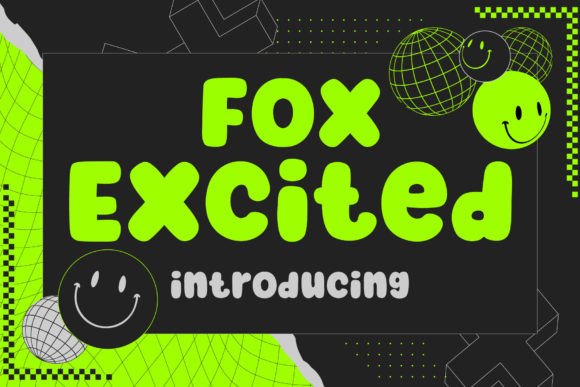
Fox Excited is not just another display font; it is a statement piece. Its thick strokes and distinctive slab serifs give it a grounded, confident presence, while the playful curves add a layer of approachability that feels modern and inviting. In this review, I want to share how this typeface performs in real-world web design scenarios, from high-impact hero banners to responsive mobile layouts, and why it might be the missing ingredient in your next digital brand identity.
Injecting Personality into Hero Sections
The first place I tested Fox Excited was in the hero section of a creative portfolio site. The goal was to create an immediate emotional connection with visitors. Standard sans serif fonts, while safe, often feel sterile in these high-visibility areas. By swapping the generic header for Fox Excited, the entire tone of the page shifted. The font’s vibrant and expressive design allowed the headline to act as both text and graphic element.
What makes this slab serif so effective in a hero context is its weight. It holds its own against busy background images or bold color blocks. I placed the font over a textured, warm-toned banner, and the contrast was instant. The letters did not get lost in the noise; instead, they anchored the design. For web designers looking to elevate a landing page or a course sales page, this font offers a premium feel that suggests creativity and confidence. It tells the user that the brand behind the screen is human, energetic, and ready to engage.
However, using a font this bold requires discipline. I found that Fox Excited works best for short, punchy phrases. It is ideal for main titles, taglines, or call-to-action headers where you want to grab attention within seconds. Trying to force it into longer paragraphs would overwhelm the reader and clutter the interface. In my test layout, I restricted its use to the H1 and H2 tags, keeping the rest of the content clean and airy. This balance ensured that the font remained a highlight rather than a distraction.
Readability and Responsive Performance
One of the biggest concerns when choosing a decorative font for web design is how it translates to smaller screens. A typeface that looks stunning on a 27-inch monitor can become illegible on a smartphone. I spent considerable time resizing the browser window and testing Fox Excited on various mobile devices. To my relief, the font maintained its clarity surprisingly well.
The key to its mobile performance lies in its open counters and distinct letterforms. Even at smaller sizes, the characters remain distinguishable. However, I did notice that below a certain pixel threshold, the intricate details of the slab serifs began to blur slightly on lower-resolution screens. My advice for fellow UI designers is to be mindful of font size and line height on mobile breakpoints. I increased the line spacing slightly to let the letters breathe, which improved readability significantly. For body copy, navigation menus, or form labels, I strictly avoided using Fox Excited. These elements require neutral, highly legible typography, such as a clean sans serif font, to ensure a smooth user experience.
Accessibility is another critical factor. When placing Fox Excited over images, contrast ratios must be carefully managed. I tested the font on both light and dark backgrounds. On white or pastel backgrounds, the bold black weight of the font provided excellent contrast. On darker backgrounds, I had to ensure the text color was bright enough to meet WCAG standards. If you are using this font for buttons or interactive elements, make sure the state changes (hover, active) are clear, as the heavy weight can sometimes make subtle color shifts less noticeable.
Strategic Font Pairing for Digital Brands
No font exists in a vacuum, and Fox Excited is no exception. Its strong personality demands a supportive partner. Throughout my testing, I experimented with several pairings to see what would complement its playful nature without competing for attention. The most successful combination was pairing Fox Excited with a minimalist sans serif font for body text. This classic contrast between a decorative display font and a neutral workhorse creates a balanced visual hierarchy that guides the eye naturally down the page.
I also tried pairing it with a modern serif font for a more editorial look, suitable for blog headers or digital magazines. This combination added a touch of sophistication, tempering the playfulness of Fox Excited with some traditional elegance. However, I avoided pairing it with other script fonts or handwritten fonts. The result was visually chaotic and lacked the professional polish needed for commercial websites. For brand identity projects, consistency is key. Using Fox Excited for headlines and a simple, readable font for descriptions ensures that the brand voice remains clear and cohesive across all digital touchpoints, from social media graphics to email newsletters.
Licensing and Technical Considerations
Before implementing any new typeface in a client project, technical due diligence is essential. I checked the file formats included with Fox Excited to ensure compatibility with modern web standards. Having access to WOFF and WOFF2 files is crucial for fast loading times, which directly impacts SEO and user retention. I also reviewed the licensing terms to confirm that the font could be used for commercial web projects. For web designers and agency owners, understanding whether a license covers pageviews or requires a separate server license is vital to avoid legal issues down the line.
Additionally, I explored the available styles and weights. While Fox Excited is primarily a bold display font, checking for italic variants or alternate glyphs can provide extra flexibility in design. If the font includes ligatures or swashes, these can be used sparingly to add custom flair to logos or special headings. However, I recommend using these features judiciously. Overusing alternates can reduce readability and make the text feel inconsistent. For multilingual projects, I verified the character set support to ensure it covered the necessary languages for the target audience.
In conclusion, Fox Excited is a powerful tool for web designers who want to inject energy and personality into their digital creations. It is not a utility font for body text or dense data tables, but as a display typeface, it excels. Whether you are designing a landing page for a new product, refreshing a portfolio site, or creating engaging social media assets, this slab serif font offers a unique blend of boldness and charm. By respecting its limitations and pairing it wisely, you can create web experiences that are not only visually striking but also user-friendly and memorable.